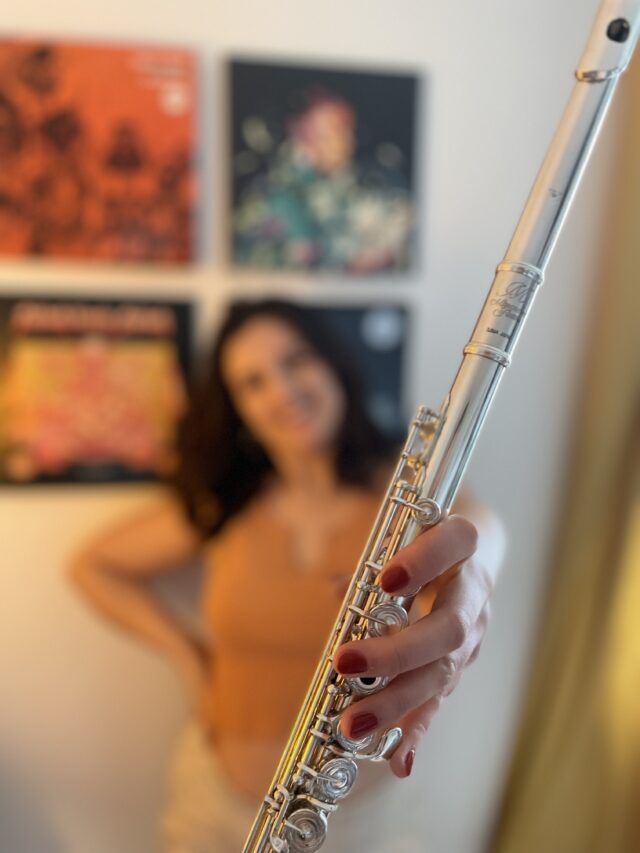
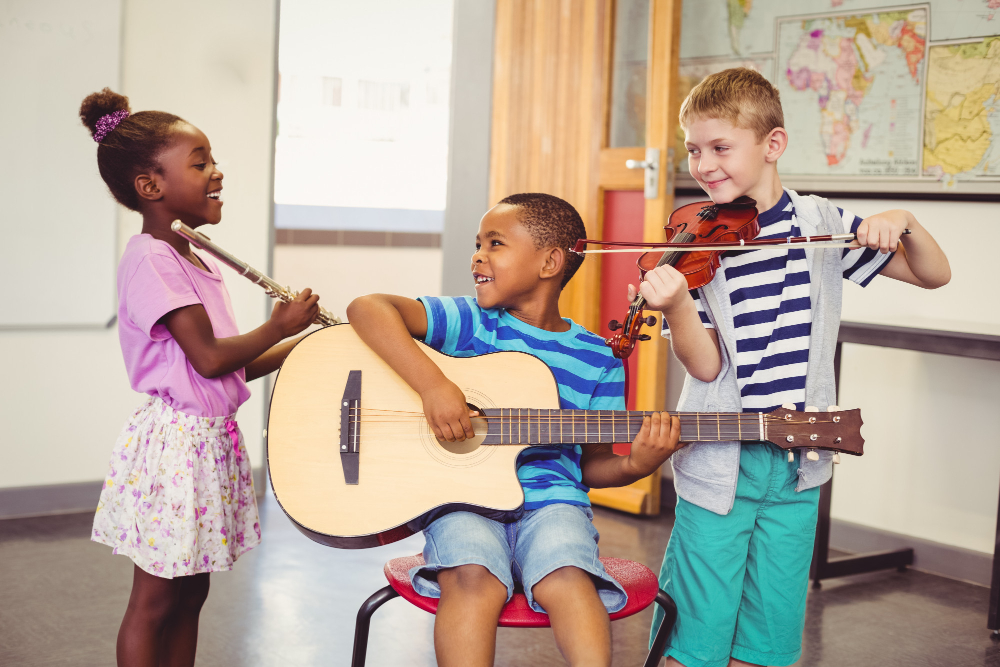
I am and always have been a fervent believer in the transformative power of community music. I’ve been lucky to run workshops and teach music to a diverse group of individuals, each with their unique aspirations and challenges. I’ve learned that a one-size-fits-all approach doesn’t cut it in the music education world. So, how can educators make their teaching more creative and effective? Let’s explore!
Think Beyond the Sheet Music
While sheet music is indispensable for learning the technical aspects of an instrument, don’t let it become a crutch. Encourage improvisation and experimentation. In my workshops, I often ask participants to interpret a piece in their own way. This not only improves their understanding of the composition but also fosters creativity and personal expression.
Use Technology Wisely
We’re in an age where technology can be an educator’s best friend. From digital music libraries to apps that help with ear training, the resources are endless. But remember, technology should be a tool, not a substitute for hands-on learning. Use it to complement your teaching methods, making lessons more interactive and engaging.
Foster a Supportive Environment
A classroom or workshop should be a safe space for students to make mistakes and learn from them. Create an atmosphere of trust and support, encouraging open dialogue and collaboration among participants. Peer-to-peer teaching often provides unique insights that may not come from a formal teaching setting.
Integrate Cross-disciplinary Learning
Music is not an isolated subject; it intersects with history, math, and even physics. For instance, discussing the historical context of a Baroque piece can enrich students’ understanding of its nuances. Similarly, understanding the math behind musical intervals can help with tuning and composition. So go ahead and integrate some cross-disciplinary elements into your lessons.
Encourage Community Involvement
One of the most fulfilling aspects of my career has been community music. Don’t limit your teaching to the classroom—encourage students to participate in community events, workshops, or even online platforms. This not only provides practical experience but also helps students understand the social impact of music.
Develop Personalized Learning Paths
Every student is unique, with their own set of strengths and weaknesses. Use this to your advantage by creating personalized learning paths. Tailoring lessons to individual needs boosts not just skill levels but also self-confidence, and it makes the learning experience much more rewarding.
Conclusion
Creative teaching isn’t about abandoning tradition; it’s about enriching tried-and-true methods with innovation and personalization. It’s about seeing each student as an individual, not just a seat in a classroom. From integrating technology to fostering community involvement, there’s a plethora of ways to make your music teaching more engaging and effective.
So, educators, let’s innovate, inspire, and make the world a more musical place, one student at a time!
With great excitement for your teaching journey,
Caroline Webb, Flautist, Educator, and Community Music Advocate