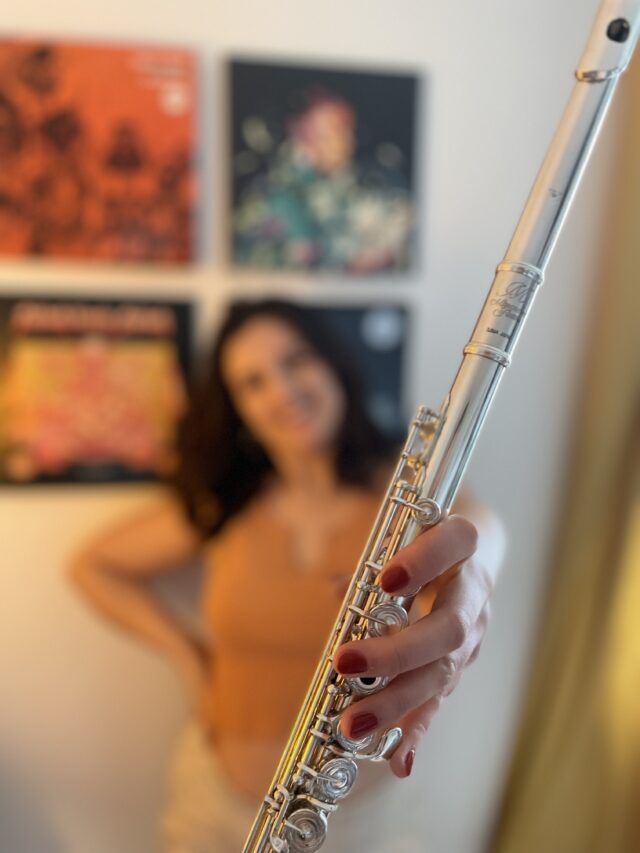
Hello budding Flautists!
Today, we’re diving into an essential topic that flautists—whether you’re a beginner or a seasoned professional—will find incredibly valuable: how to choose the best flute for you. Your instrument is not just a tool; it’s an extension of your creativity and craftsmanship. So let’s make sure you find the right match to amplify your talent.
Understand the Flute Types
First off, let’s talk about the main types of flutes you’ll encounter:
- Beginner or Student Flutes – Made with durability and affordability in mind. Usually features closed-hole keys.
- Intermediate Flutes – These have open-hole keys, allowing for more nuanced sound control.
- Professional Flutes – Crafted from high-quality materials, offering a fuller tone and advanced features.
What to Consider:
Budget: Quality often comes at a price. Decide how much you’re willing to invest in your musical journey.
Skill Level: Make sure the flute complements your expertise. Beginners may struggle with professional flutes, which offer more features but require better control.
Material Matters
Flutes can be made from various materials, each affecting the instrument’s tone, durability, and cost.
- Nickel Silver: Durable and budget-friendly.
- Silver: Offers a richer, warmer sound.
- Gold or Platinum: For the pros. These materials produce a complex, rich sound but come at a premium cost.
Key Mechanisms
You’ll often hear the term ‘mechanism’ thrown around. This refers to the key layout and design. Open-hole designs offer more advanced sound control, but they require a firmer mastery of finger placement. Closed-hole options are more forgiving for beginners.
Trial and Test
Once you’ve narrowed down your options, it’s crucial to test multiple flutes:
- Sound: Play various scales and songs to test the tonal quality.
- Comfort: How does the flute feel in your hands? Comfort matters during long practice sessions.
- Consult: Always get a second opinion. Whether from a teacher or a fellow musician, extra ears can help ensure you’re making the right choice.
Maintenance and Upkeep
Don’t overlook maintenance. Check warranties and consider the costs of future repairs. Well-maintained instruments last longer and play better.
Wrapping It Up
Choosing the right flute is a crucial step in your musical journey. A well-selected instrument can make practice enjoyable, help you overcome common pain points like unreliable income through better gigs, and assist in converting audiences to fans.
Remember, the right flute won’t just make music; it will elevate your artistry. Happy playing!